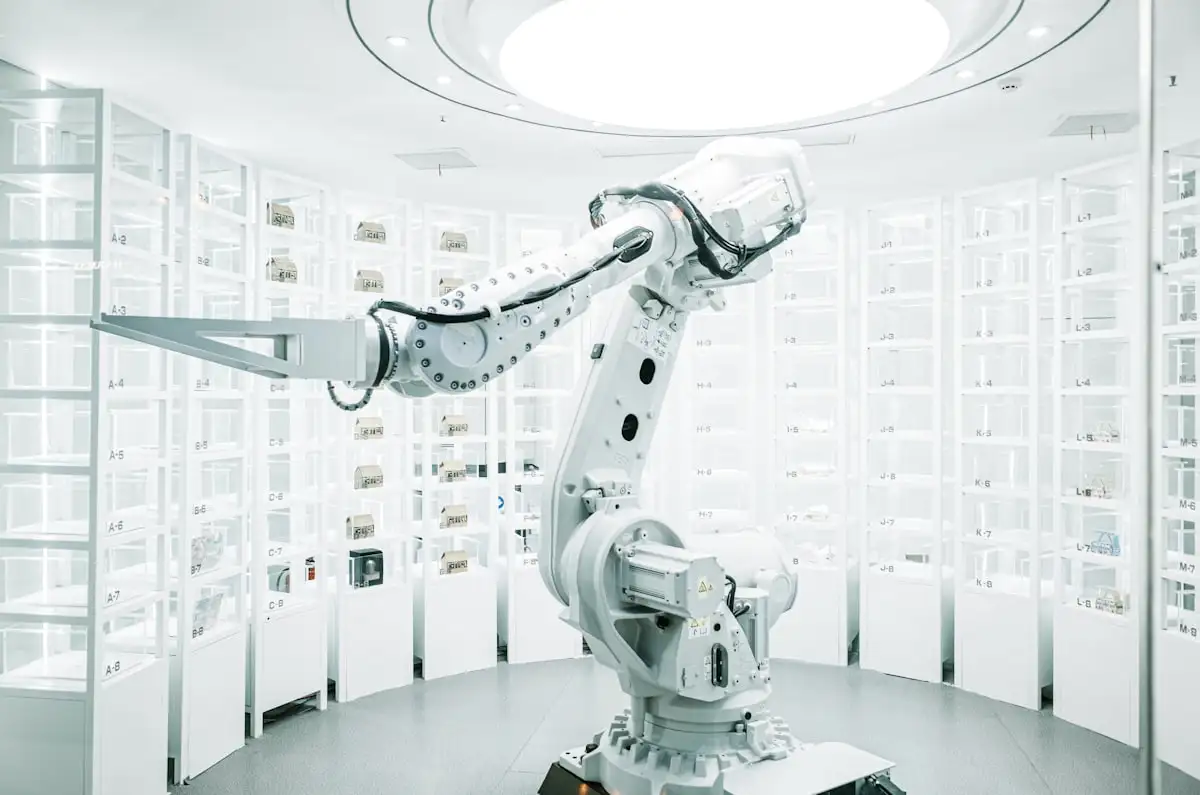
Imagine hospitals and doctor’s offices running super smoothly, like a well-oiled machine. This is happening thanks to smart computer tools called AI and automation. Many health groups are now thinking “automation first” to make sure they get the most good, or “ROI,” from these new technologies.
This approach helps them save money, save time, and give patients even better care. It means thinking about how machines can do simple, repeated jobs so people can focus on harder, more important work.
Making AI Work Better: An Automation-First Way for Healthcare
Hospitals are always looking for ways to do things better and faster. They want to help more people and spend money wisely. That’s where AI and automation come in. AI stands for Artificial Intelligence. It means computers can “think” and learn, like solving problems or understanding things.
Automation means computers or robots can do tasks by themselves. Think of a machine that folds laundry or a computer system that books appointments. In healthcare, these tools can do many important jobs.
The “automation-first mindset” means we first look at all the jobs done by hand. We ask: Can a computer do this task automatically? This helps hospitals get ready for bigger, smarter AI tools. By starting with simpler automation, they lay the groundwork for more advanced AI. This strategy is key to maximizing AI ROI in healthcare.
What is Automation-First Thinking?
It’s like building a house. You don’t start with the roof; you start with a strong foundation. In healthcare, the foundation is automation. Before using complex AI to predict diseases, a hospital might use automation to:
- Sort patient forms quickly.
- Send reminders for appointments automatically.
- Move patient information from one system to another without typing.
These simple steps make a big difference. They free up nurses and doctors from boring, repetitive work. It also makes sure all the information is neat and ready for when smarter AI tools come along. This way, AI can do its best work because the basic tasks are already handled.
How AI and Automation Help Hospitals Save Money and Time
When hospitals use AI and automation wisely, they save a lot. Think about all the things that take up time in a hospital. Paperwork, scheduling, looking up information, and more. Computers can do many of these jobs super fast and without mistakes.
For example, instead of a person calling patients to remind them of appointments, a computer can send texts or emails. This saves time for the staff. That saved time means money saved. It also means staff can spend more time directly helping patients. This direct impact on efficiency helps to maximize AI ROI in healthcare significantly.
AI can also help doctors find important information faster. It can look through millions of patient records to spot patterns. This helps doctors make better decisions more quickly. Machines can even help check for small errors that humans might miss. This can prevent big problems later on.
Real Benefits of Smart Machines in Healthcare
When hospitals adopt an automation-first mindset, everyone benefits:
- Faster Care: Patients get seen quicker because paperwork is done by computers.
- Less Stress for Staff: Nurses and doctors have less boring computer work. They can focus on caring for people.
- Fewer Mistakes: Computers are very good at following rules and finding tiny errors.
- Better Money Use: Hospitals spend less on everyday tasks. They can use that money for new medicines or equipment.
For more general information on how artificial intelligence is changing various fields, you can visit Wikipedia’s page on Artificial Intelligence.
Steps to Use AI Smartly in Healthcare
It’s not enough to just buy new technology. Hospitals need a good plan to make sure it works. The automation-first mindset is that plan. Here are some simple steps they can take:
- Find Repetitive Tasks: Look for jobs that are done the same way over and over. These are perfect for automation.
- Start Small: Don’t try to automate everything at once. Pick one or two tasks and see how it goes.
- Get Everyone on Board: Teach staff how to use the new tools. Explain how it will help them and the patients.
- Measure What Works: Keep track of how much time and money is saved. This shows if the tools are really working.
- Keep Learning: The world of AI and automation changes fast. Hospitals need to keep up with new ideas.
By following these steps, hospitals can be sure they are getting the best results from their smart machines. They are building a system where technology truly helps people. This focused approach ensures they are effectively maximizing AI ROI in healthcare. It’s about making healthcare smarter, faster, and more caring.
Using an automation-first approach can lead to big improvements in patient care and how hospitals work. For instance, the Centers for Disease Control and Prevention (CDC) often discusses how technology can improve public health initiatives, which aligns with efficient data handling through automation. You can explore more about public health and technology on the CDC’s official website.
In short, thinking “automation first” helps hospitals use AI in the smartest way possible. It helps them save money, speed up processes, and give patients the best care. It’s about letting computers handle the simple tasks so human doctors and nurses can focus on what they do best: healing and helping people. This makes sure every dollar spent on technology gives a great return. To learn more about digital health tools and their impact, you can often find resources on major health news sites like the World Health Organization’s digital health section.
Photo by ZHENYU LUO on Unsplash
 English