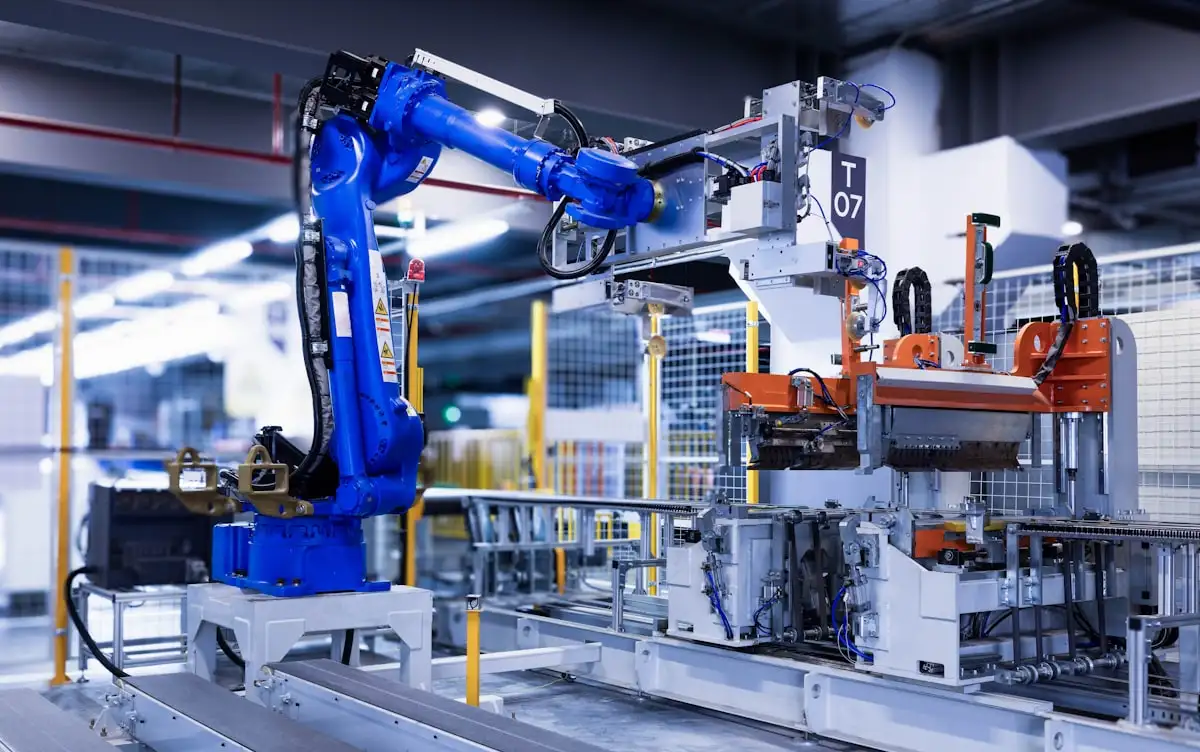
Imagine robots zipping around a warehouse. They pick up packages and move them quickly. This sounds like a super-efficient future, right? Many companies want to use these smart machines and computers. They hope to make how they build and deliver things much faster and cheaper. But often, these big plans for automation hit roadblocks. They actually fail before they even truly begin. This is a common problem in supply chain automation.
Smart Machines and Supply Chain Automation: The Big Idea
First, let’s talk about what a “supply chain” is. It’s like a long path. This path goes from where something is made to when it reaches you. Think about your favorite toy. The supply chain moves the plastic, molds it into parts, puts it together, packs it, and sends it to the store. A supply chain is all the steps that get a product from start to finish.
“Automation” means using machines and computers to do tasks. These tasks were often done by people before. So, “supply chain automation” is using robots, smart software, and special machines. They help with making, sorting, moving, and delivering goods. The goal is to make everything work smoothly. Companies want fewer mistakes. They want to work faster. They want to save money. It sounds like a perfect solution, doesn’t it?
Why Supply Chain Automation Fails Early: Common Problems
Even with these great ideas, many automation projects struggle. They often stop working well right at the start. It’s like trying to build a LEGO castle without looking at the instructions. Here are some big reasons why supply chain automation fails.
Not Planning Enough: The First Mistake in Automation
One main reason for failure is not planning well. Companies often get excited about new robots. They buy them without truly understanding their own current system. It’s important to know every step of how things work now. What are the messy parts? Where do delays happen?
* Companies might rush to buy new tech.
* They don’t map out their current processes.
* They skip important steps in understanding their own business.
Imagine you want to clean your room with a robot vacuum. You need to pick up all your toys first, right? If you don’t, the vacuum can’t do its job. It’s the same with big companies. If they don’t prepare their “room” (their supply chain), the robots won’t work well. This poor planning leads to many automation problems.
Messy Data and Old Computer Systems Cause Automation Problems
Robots and smart computers need good information. They need clear instructions. This information is called “data.” If the data is messy, incomplete, or wrong, the robots will make mistakes. It’s like giving a baker a recipe with wrong measurements. The cake won’t turn out right!
Many companies use old computer systems. These old systems might not “talk” to the new robots very well. They can’t share information easily. This creates a big communication problem. The new smart machines can’t do their job because they don’t get the right data. Keeping data clean and secure is very important for all computer systems.
Forgetting About the People: A Key Factor for Automation Failure
Robots might do a lot of work, but people are still super important. Sometimes, companies focus too much on the machines. They forget about the workers. Workers know a lot about how things actually get done. They understand the small problems that robots might not see.
If workers are not part of the plan, problems can happen:
- They might not know how to use the new machines.
- They might feel scared of losing their jobs.
- They won’t share their helpful ideas for making things better.
It’s important to train people. Companies should ask for their ideas. Making workers part of the team helps the new system succeed. When people are left out, it can make supply chain automation fail.
Trying Too Much Too Fast: Overwhelming Automation Plans
Another reason why supply chain automation fails is trying to do everything at once. Companies might try to automate every part of their supply chain. This is like trying to learn how to play five new sports at the same time. It’s too much!
It’s better to start small. Pick one small part of the supply chain. Make that work perfectly with automation. Learn from that experience. Then, add more automation slowly. This helps avoid big problems and keeps everyone from getting overwhelmed.
Making Supply Chain Automation Succeed: Smart Steps Forward
So, how can companies make their automation plans work? It’s all about being smart and thoughtful.
First, they need to **plan very carefully**. They must really understand how their business works today. They should fix any existing problems *before* bringing in robots.
Second, they need to **clean up their data**. Good data is like fuel for smart machines. Without it, the machines can’t go anywhere useful. This means making sure all information is correct and easy for computers to understand.
Third, **include the people**. Train employees. Listen to their ideas. Show them how automation will help them, not just replace them. This makes everyone happier and the project work better.
Fourth, **start small and learn**. Don’t try to automate everything at once. Pick a simple task. Make it work well. Then, slowly add more automation. This way, companies can learn and adjust along the way. Government organizations like NIST also encourage careful planning for smart manufacturing and automation.
Supply chain automation has amazing potential. It can make things faster and more efficient. But it’s not just about buying cool new robots. It’s about smart planning, good data, and working together with people. When companies remember these things, their automation projects have a much better chance of success.
Photo by Homa Appliances on Unsplash
 English