Big news about smart computers, called AI, is out. A new report shows how these powerful programs might change many jobs. Some jobs could see almost all their daily tasks done by AI in the future.
A recent study looked closely at how AI will affect the world of work. This study tells us which jobs are most likely to be changed by smart computer programs. It found that some tasks in many jobs could soon be handled by AI.
New Study Reveals Jobs Most Exposed to AI Automation
You might hear the term “AI.” It stands for Artificial Intelligence. Think of AI as very smart computer brains. These computers can learn things. They can solve problems. They can do tasks that used to need a human.
When AI or machines do work humans used to do, we call it “automation.” This new study wanted to see how much AI could help or even take over job tasks. It looked at many different kinds of jobs.
The study found **50 jobs** that are most open to these AI changes. This means these jobs have many tasks that AI is very good at doing. For some of these jobs, the study showed that AI could do **over 96%** of the work tasks. That’s almost all of the daily duties!
Imagine if nearly every part of your job could be done by a computer. This is what the study is talking about. It’s a big change for how people will work in the future. It is important for all of us to understand it.
If you want to know more, you can learn about Artificial Intelligence explained on Wikipedia. It tells you what AI is and how it works in simple ways.
Jobs Facing High AI Task Replacement
Which types of jobs are likely to see these big changes? The study pointed to many jobs that involve doing the same things over and over. AI is very, very good at these kinds of repeated tasks.
Think about jobs that mostly handle numbers or words. Jobs where there are clear rules to follow. AI can follow rules perfectly and very quickly. This makes them good at many office tasks.
- Data entry jobs are a good example. These workers type in lots of information into computers. AI can read and type faster than people. It can also make fewer mistakes.
- Customer service jobs often answer common questions from people. AI chatbots can do this all day and night. They can help many people at once.
- Accounting jobs do many tasks with numbers and money. AI can help check budgets, bills, and make sure everything adds up correctly.
- Administrative assistant jobs have many organizing tasks. AI can help schedule meetings, sort emails, and keep track of important papers.
These are just a few examples. The study looked at specific parts of each job. It found that for some jobs, almost every single task could be done by AI. For instance, if your job is mainly copying information from one place to another, an AI can do that almost perfectly every time.
This does not mean the whole job disappears right away. But many parts of it might change. People in these jobs might find themselves working alongside AI. They might focus on the tasks AI cannot do.
Examples of Highly Exposed Work Tasks
Here are some examples of tasks that AI is very good at and might take over:
- Filling out forms quickly and correctly.
- Writing simple emails or reports that follow a set pattern.
- Checking many numbers for any errors or mistakes.
- Organizing large files or documents of information.
- Answering frequently asked questions from customers or clients.
These tasks are like puzzles that AI is very good at solving. They are often tasks that are predictable and follow clear steps.
Preparing for the Future of Work with Artificial Intelligence
This news about AI might sound a little scary. But it’s also a big chance to learn new things. It means that jobs will not just go away. They will change. People will need to learn different skills.
What kind of skills will be important? Skills that AI is not good at doing. These are often things that need a human touch. For example, things like creativity. Thinking of completely new ideas. Solving problems that don’t have clear answers.
Working well with other people is also very important. Being kind, understanding, and helping others. These are called “human skills.” AI finds these much harder to do than repetitive tasks.
Some jobs will become even more important. These are jobs that need a lot of human thinking and feeling. Think about doctors, teachers, artists, or people who invent new things. These jobs need our unique human abilities.
Many schools and governments are already thinking about this. They want to help people get ready for these changes. They want to teach skills that will be useful in a world with more AI. This way, people can find new and exciting jobs.
AI can also help us a lot. It can make some jobs much easier and faster. It can free up people to do more interesting and creative work. Knowing about this study helps us all plan for tomorrow. We can think about what we want to learn and what we want to do.
You can explore more about different jobs and what they do at the Bureau of Labor Statistics website. It has lots of information for students.
Learning about technology, like what AI is for kids, is a good first step. The more we understand AI, the better we can get ready for the future.
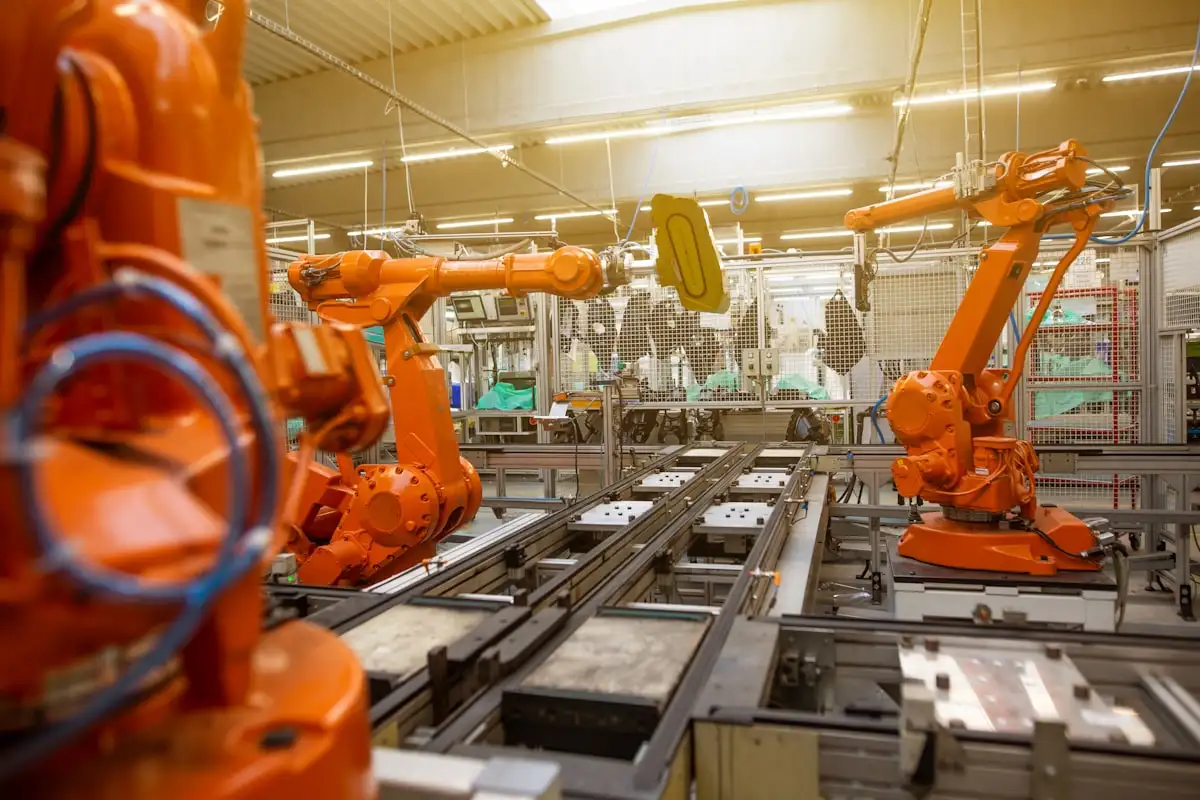
Photo by Simon Kadula on Unsplash
 English