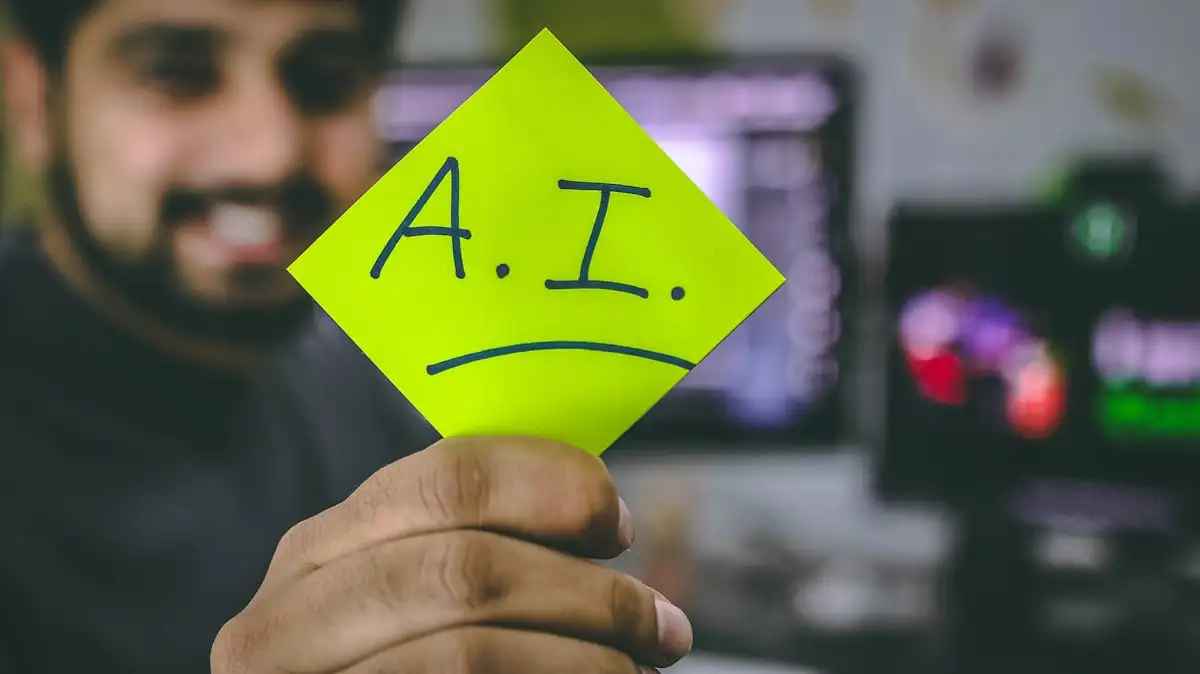
Imagine a super-smart computer helper that can draw pictures, write stories, or even make music. This helper is called Artificial Intelligence, or AI. Many creative people like artists, writers, and musicians love using AI tools. They find AI helpful for making new things faster. But even with all the excitement, this smart computer helper is causing more problems than anyone thought for creative workers.
Creative Workers Love AI Tools for New Ideas
Creative people are always looking for new ways to make art. AI tools have become very popular. These tools can help them brainstorm ideas. They can also create first drafts of drawings or songs very quickly. An artist might ask AI to draw a magical forest. The AI can show many versions in just seconds. This saves a lot of time and effort.
Writers use AI to get story ideas or help with tricky sentences. Musicians can use AI to try out new sounds or create background music. It feels like having an extra pair of hands or a super-fast brain helping them out. This boost in creativity and speed is why so many people in creative jobs are excited about AI. It helps them bring their visions to life faster than ever before.
They see AI as a helpful friend. It can make their work easier. It can also open doors to new kinds of art. For example, a designer might use AI to create many different patterns. Then, they pick the best one to use in their clothing line. This shows how AI helps creative workers explore new paths without spending too much time on basic tasks.
The Unexpected Problems AI Brings to Creative Jobs
Even though AI is helpful, it’s also bringing some big headaches. These problems are making many creative workers worried. People didn’t expect these issues to be so difficult to solve. The main concerns are about who owns the art, if people will lose their jobs, and if the art made by AI is truly original.
AI Art Ownership Problems and Fair Use
One of the biggest problems is about ownership. When a person draws a picture, that picture belongs to them. It’s called copyright. But what happens when an AI makes a picture? Does it belong to the person who told the AI what to draw? Or does it belong to the company that made the AI tool? This is a very new and confusing question.
Some people also worry that AI tools learn by looking at millions of pictures, songs, and stories made by humans. They wonder if AI is “stealing” ideas or styles from real artists without permission. If AI uses an artist’s style without asking, is that fair? Many artists feel their hard work is being used without them getting credit or money.
Laws are still catching up to this new technology. There are no clear rules yet. This makes it hard for creative people to protect their work. It also makes it hard for them to know if they can use AI-made art safely. This issue of “fair use” and who owns what is a major challenge for creative workers.
AI Impacting Creative Jobs and Fair Pay
Another big worry is about jobs and money. AI can do many creative tasks much faster and cheaper than people. For example, a company might use AI to design logos instead of hiring a graphic artist. This could mean fewer jobs for human artists. Or, it might mean human artists get paid less for their work.
Imagine a writer who makes a living writing short stories. If an AI can write a short story in minutes, who will pay the human writer? This makes many creative professionals anxious about their future. They train for years to be good at their craft. Now, a machine can do similar work very quickly.
This isn’t just about losing jobs. It’s also about fair pay. If companies can get creative work done cheaply with AI, they might not want to pay humans as much. This could hurt the livelihoods of many talented people. This makes the job market for creative workers much harder.
Questions About Originality in AI Art
Finally, some people question the true originality of AI-generated art. While AI can make amazing things, does it have a soul? Does it have real feelings or experiences to draw from? Many feel that human art has a special touch. It comes from personal struggles, joys, and unique life experiences. AI does not have these.
An AI might create a beautiful painting. But it might not have the same deep meaning as a painting created by a human artist. This is because the human poured their heart and soul into it. Some also worry that if everyone uses the same AI tools, all art might start to look similar. This could make the creative world less diverse and exciting. The uniqueness and personal touch might get lost.
Finding a Balance: Using AI Wisely in Creative Fields
It’s clear that AI is a powerful tool for creative workers. It can help them do amazing things. But it also brings serious problems that need to be fixed. People are trying to find a good balance. They want to use AI’s benefits without hurting human artists, writers, and musicians.
One way forward is to create new rules and laws. These rules would make it clear who owns AI-created art. They would also help ensure creative workers get fair pay. Another idea is for humans to use AI as a helper. The human still guides the AI and puts their own unique touch on the final product. This way, the human artist remains in control. The AI is just a tool, like a paintbrush or a computer program.
Many believe that AI should not replace human creativity. Instead, it should help it grow. We need to talk more about these problems. We need to make sure that technology helps everyone. It should not just create new issues for creative people. The goal is for creative workers and AI to work together. This way, they can make even more amazing things for the world to enjoy.
Photo by Hitesh Choudhary on Unsplash
 English