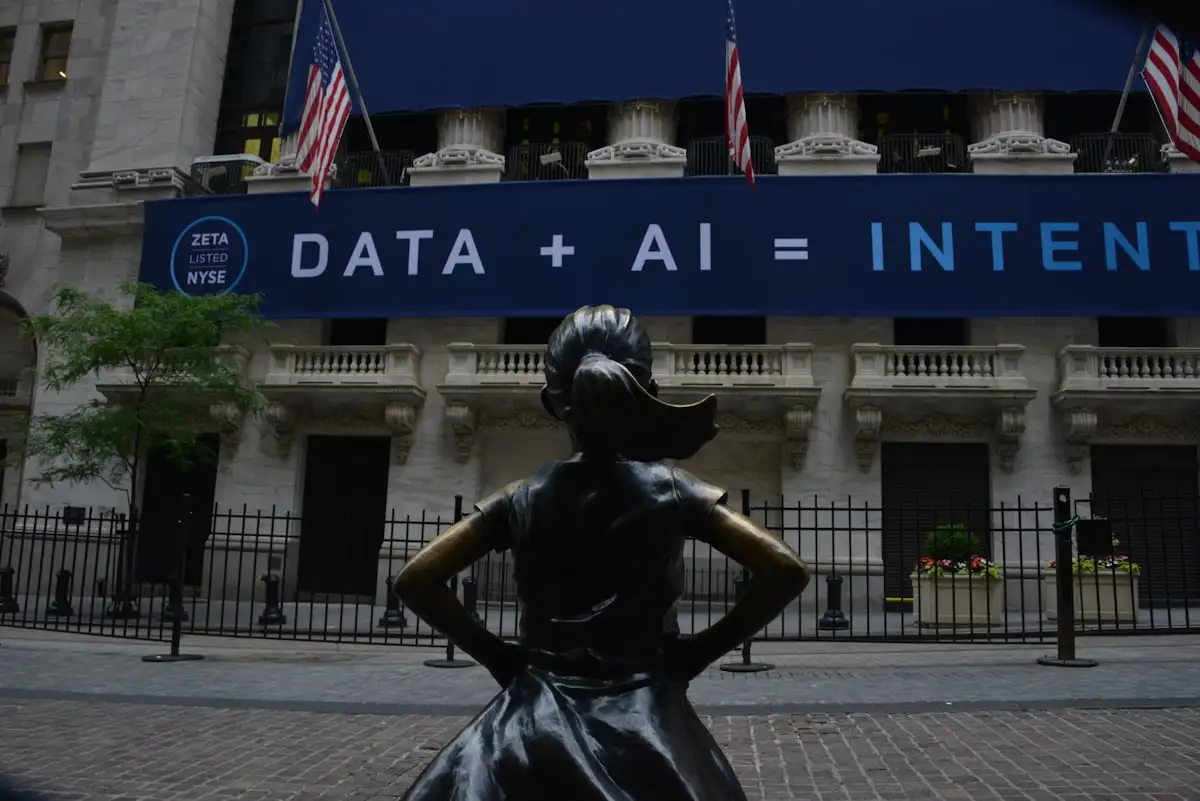
Imagine you have a giant pile of puzzle pieces, more than you could ever sort through. This is what it’s like for “intelligence analysts.” These smart people work to understand what’s happening in the world. They gather clues to keep countries safe. But today, there is just too much information, too much “data.” It’s like trying to find one tiny clue in a mountain of papers. That’s where special computer programs called “AI” come in. AI helps these analysts do their important work much better and faster.
The Big Challenge: Too Much Data for Intelligence Analysts
Intelligence analysts are like super detectives. They look at clues from all over the world. They try to figure out big puzzles. Their job is to understand dangers and help leaders make good choices. This helps keep everyone safe. Think about what a spy might do, but on a much bigger, legal scale.
Today, there is a huge problem. We have more information than ever before. Every day, people share billions of messages and pictures. Governments collect huge amounts of facts and figures. All this information is called “data.” It’s like a never-ending flood of details.
Humans cannot read and understand all this data. There are not enough intelligence analysts to sort through it all. This means important clues can be missed. It makes their job very hard. It’s like having a library of millions of books and only a few people to read them all. This can slow down important decisions about safety and security. People call this “information overload.”
How AI Helps Intelligence Analysts Work Smarter
This is where AI, or Artificial Intelligence, becomes super helpful. AI is like a smart computer brain. It can learn and do tasks that usually need people. For intelligence analysts, AI is a “force multiplier.” This means AI makes the analysts much stronger and able to do more. It helps them use their time wisely. Learn more about what Artificial Intelligence is here.
AI can look at millions of pieces of data in seconds. It finds patterns and connections that humans might never see. It can read different languages and understand complicated reports. AI does the boring, repetitive work. This lets the human analysts focus on the really hard thinking. They can then spend their time understanding the big picture, not just sorting files.
AI as a Fast Reader and Clue Finder
Imagine an analyst needs to find out about a certain topic. They used to spend days reading thousands of documents. Now, AI can do that reading in minutes. The AI can highlight key parts. It can show where different pieces of information connect. This helps analysts spot important clues much faster.
For example, if many small pieces of information from different places talk about the same unusual event, AI can flag it. It can show the analyst, “Hey, look here! These things might be related.” This is like having a super-fast assistant who never gets tired. It helps analysts solve complex puzzles more quickly and accurately. These digital helpers make the hunt for facts much more efficient.
Making Decisions Faster with AI Insights
When analysts get useful information quickly, it helps everyone. Leaders need good facts to make important choices. These choices can be about keeping a country safe or helping people in other ways. With AI’s help, analysts can give leaders clearer and faster answers. This means decisions can be made more quickly and with better information.
For example, if there’s a new threat, AI can quickly gather all known facts about it. It can then show the analyst what’s most important. This quick understanding is vital for national security. It helps stop bad things from happening. The faster good information is shared, the safer everyone can be. Analysts can spend less time searching and more time thinking critically.
The U.S. government, like many others, faces this challenge. They need to understand global events fast. Tools like AI help them manage this massive flow of information. This improves how they protect the country. You can find more information about U.S. Intelligence agencies at the Director of National Intelligence website.
The Future: More AI, Better Intelligence
AI is not meant to take jobs from intelligence analysts. Instead, it makes their jobs easier and more powerful. It’s a tool that makes human experts even better. Think of it like a superhero gaining a new superpower. Analysts are still the heroes, but AI gives them a boost.
Of course, humans must always be in charge. AI helps find the clues, but human analysts still make the final judgment. They use their smarts, experience, and understanding of people to make sense of everything. They decide what the clues really mean. They also have to make sure the AI is working correctly and not making mistakes.
More and more, intelligence agencies are teaching their people how to work with AI. This new way of working helps them handle the huge amounts of data. It ensures they can keep finding important information. This is key for keeping everyone secure in our fast-paced world. With AI as a partner, intelligence analysts can truly be “force multipliers” for national safety. It helps them protect us from threats we might not even know about yet. Read more about how AI impacts many areas of society, including security, from The Brookings Institution.
Photo by Robb Miller on Unsplash
 English